




Mykhailo Tupytsia
Executive assistant of the Kyivan Christianity Research Program and lecturer in the Department of Liturgical Studies at Ukrainian Catholic University
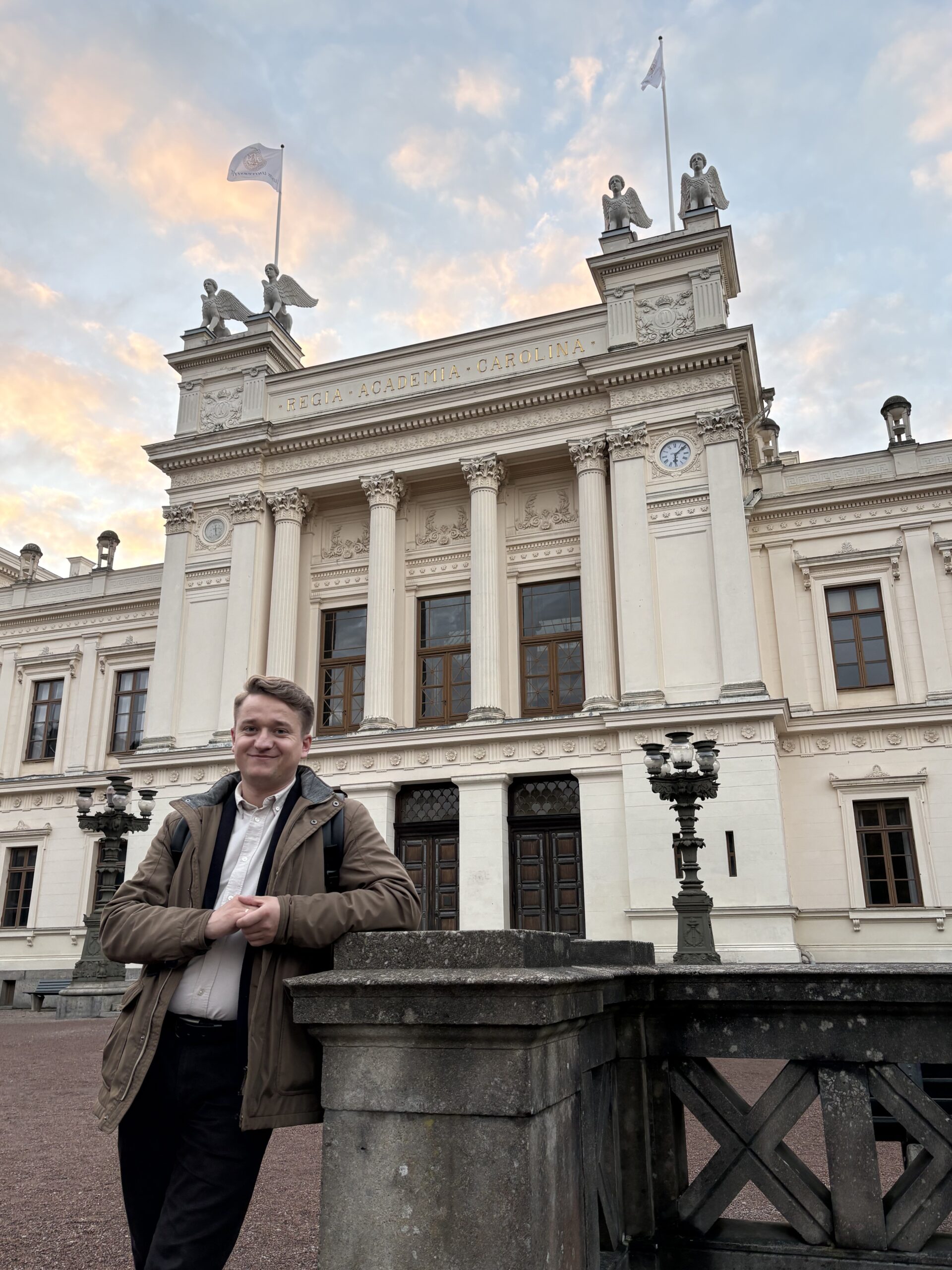
Recently, I had the honour of participating in a fascinating conference on the history of knowledge in Lund, Sweden.
On the 8th –10th October 2025, the Lund Centre for the History of Knowledge (LUCK) hosted the Conference on the History of Knowledge at Lund University. The Lund Centre for the History of Knowledge is a research forum focusing on the history of knowledge within the Department of History at Lund University. It consists mainly of a seminar, research projects of various orientations, a fellowship program, and a summer school related to the study of the history of knowledge.
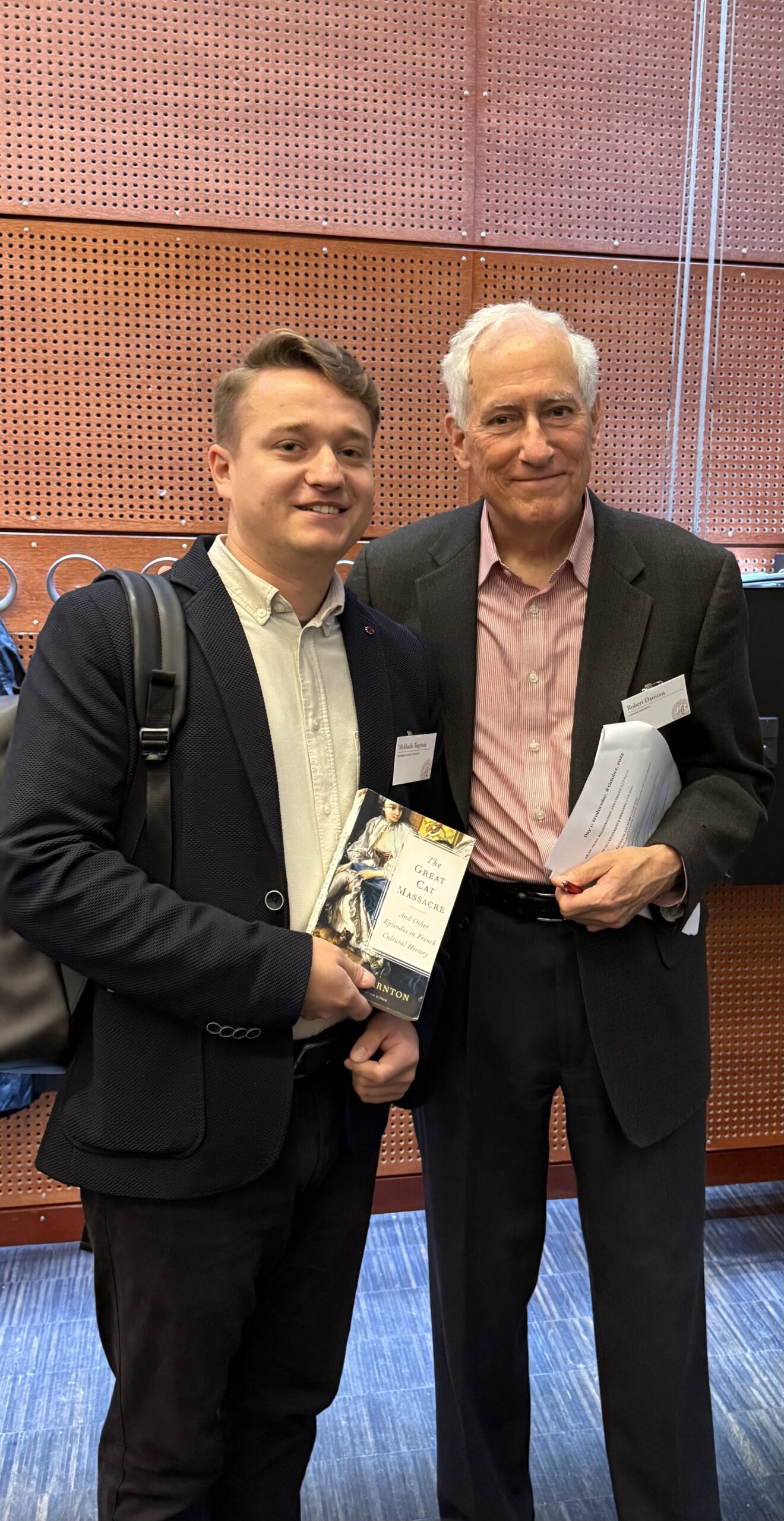
The conference featured two keynote lectures, several panel discussions, presentations of research projects, and a final plenary discussion. The conference was opened by the keynote speaker, Harvard University Professor Robert Darnton, a renowned scholar of cultural history and an expert in 18th-century French studies. Most historians are familiar with his classic work, “The Great Cat Massacre”. Professor Darnton gave a talk, “An Early Information Society: Paris under the Ancien Régime“, on the dissemination of information in 18th-century Paris.
The second keynote speaker was Susanne Schmidt, Professor of History at the University of Basel, who presented a keynote lecture on the reaction in the history of knowledge, using the example of research in psychology on motherhood and women’s studies in the 20th century.
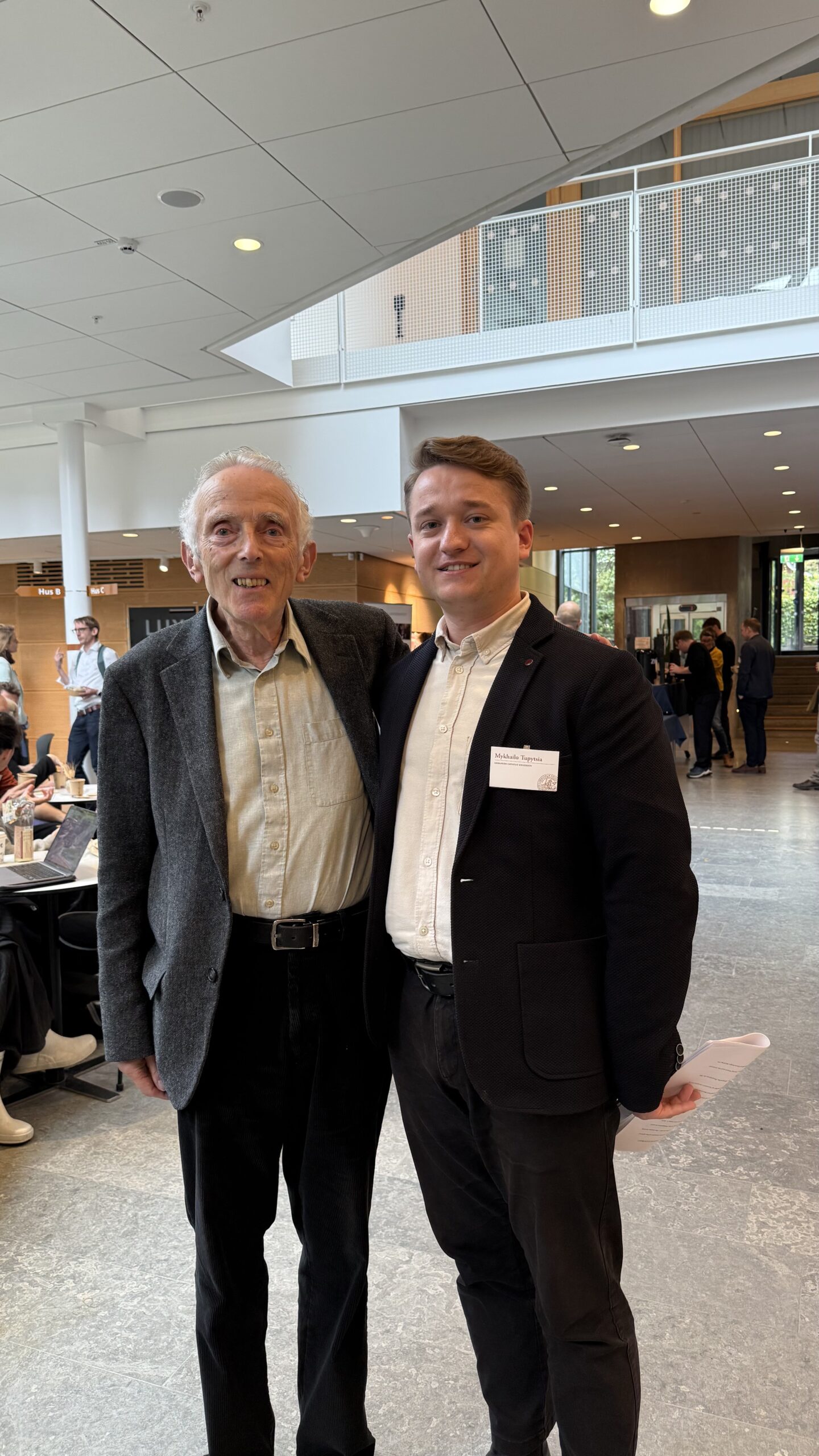
Professor Peter Burke of the University of Cambridge, a renowned researcher in cultural history, the Renaissance, and Early Modern studies, shared his recent findings in the field of the history of knowledge. His works have long been regarded as classics, and many historians, including myself, apply them as theoretical literature in their studies. Professor Burke gave a report, “A History of Connoisseurship as A History of Knowledge”, on the history of expertise in art monuments.
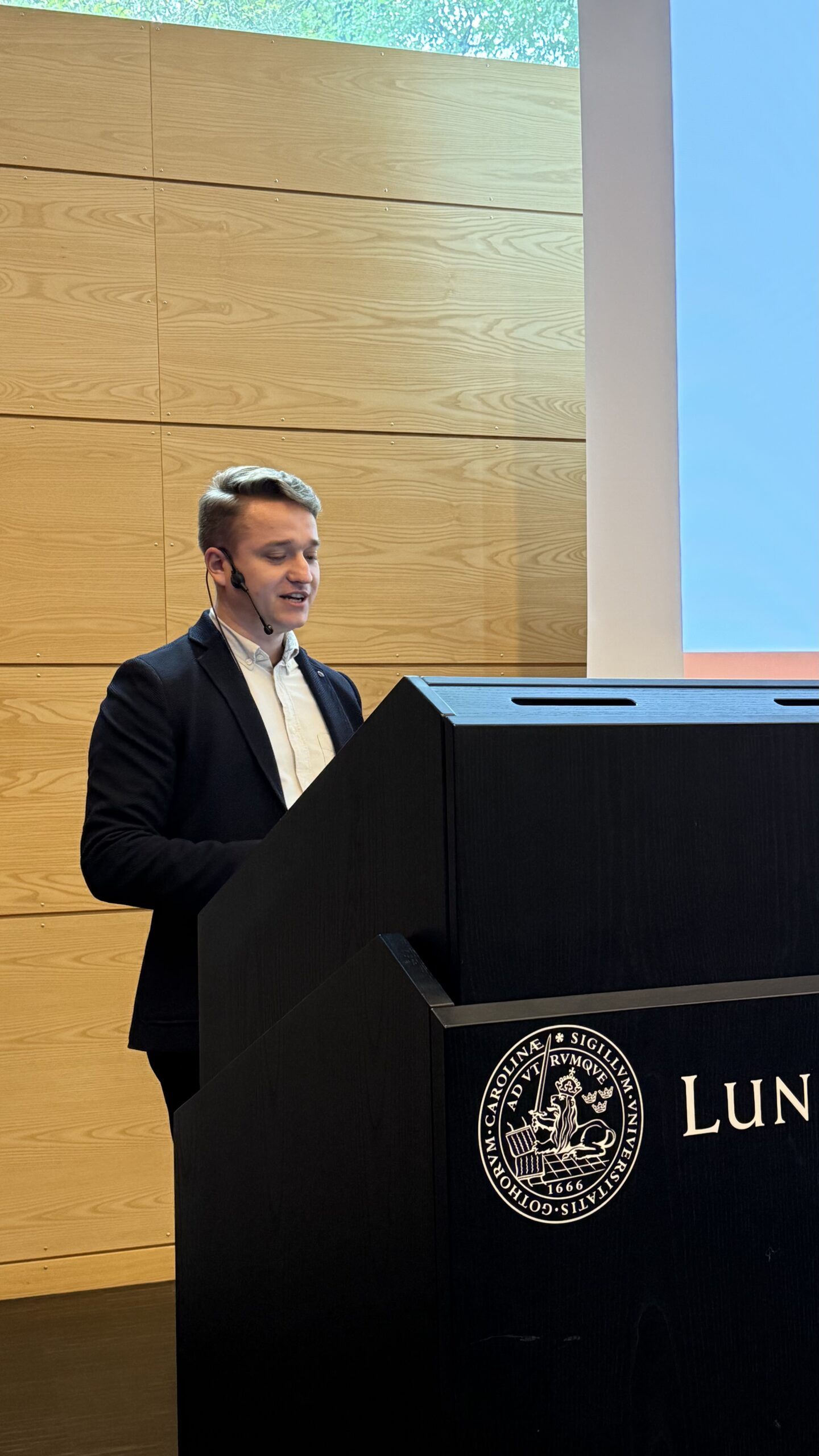
I gave a report, “Shared Texts, Shared Traditions: Book Collections and Knowledge Infrastructures in the Mukachevo Eparchy in the 18th Century,” in the paper session. I attempted to consider the book collections of the Mukachevo Eparchy in the 18th century as an example of the interregional knowledge infrastructure that connected the Mukachevo Eparchy with the Kyivan Metropolitanate.
I express my sincere gratitude to the Defence Forces of Ukraine for the opportunity to work in Ukraine and represent our voice in the free world. I also express my gratitude to the Lund Centre for the History of Knowledge and its director, Prof. Johan Östling, for the invitation and warm welcome. This trip was made possible thanks to our COST Action CA23137 project, “Print Culture and Public Spheres in Central Europe (1500–1800)”, which covered part of the costs.