



Dr Martina Kramarić
Senior Research Associate, Institute of Croatian Language
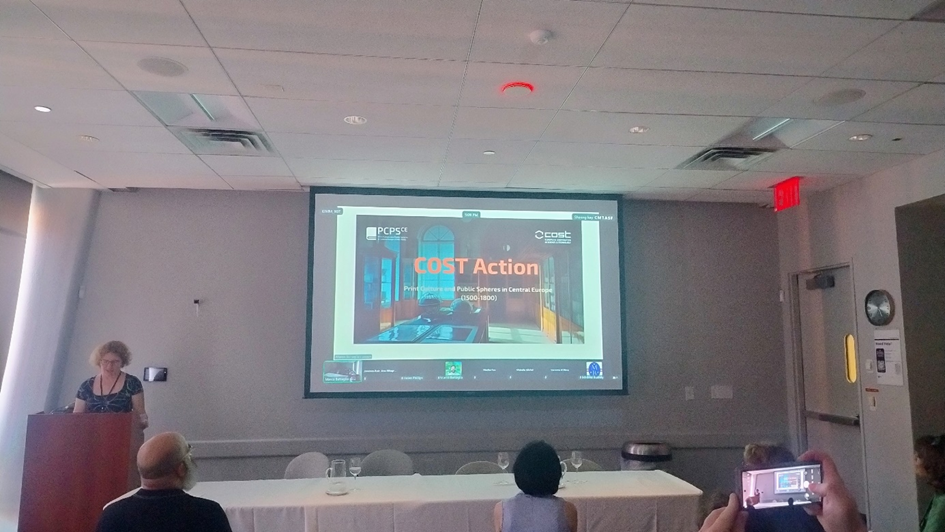
Photo 1: Dr Kramarić giving her talk at the conference
This year, I was awarded the Dissemination Conference Grant, which gave me the opportunity to attend the nineteenth international biennial conference of the Early Book Society in New York whose programme aligned closely with the mission of our COST action. The conference, which had the overarching theme of ‘Readers, Makers, and Medieval Consumer Culture: MS and Books from 1350–1550’, took place from 23rd to 27th June 2025 at New York University. There, I presented a paper titled ‘The Transmission and Reception of the Speculum Humanae Salvationis in Europe and the Slavic Regions’. The conference focused on medieval bestsellers and the book market in the Middle Ages from various perspectives, including considering manuscripts and books as luxury items, the importation of manuscripts and/or books from the continent, continental influence on English books, women’s (or men’s) reading circles, the existence of multiple copies of manuscripts and books (often an indication of popularity), owners and patrons, and the development and growth of private, monastic, or university libraries.
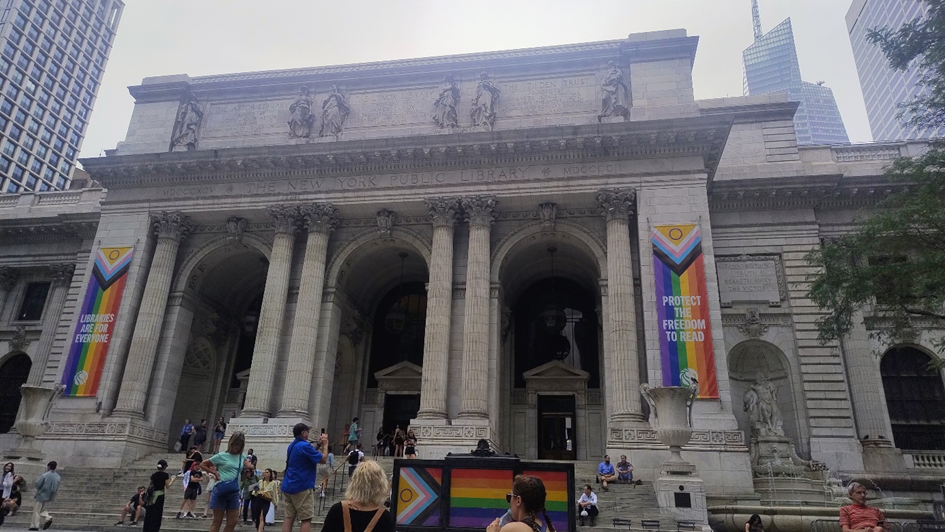
Photo 2: The New York Public Library
The conference focused on medieval bestsellers and the book market in the Middle Ages from various perspectives, including considering manuscripts and books as luxury items, the importation of books from mainland Europe and continental influences on English books. Women’s (and men’s) reading circles were also themes as well as the existence of multiple copies of manuscripts and books (often an indication of popularity), owners and patrons, and the development and growth of private, monastic and university libraries. The Speculum humanae salvationis (Mirror of Human Salvation), composed by an unknown author at the beginning of the 14th century, was a popular religious text. This medieval masterpiece was made as a typological cycle and originally contained 45 chapters. With over 400 manuscript versions, 20 printed editions, four blockbooks, and 16 incunabula – movable-type printed editions by 1500, it became a medieval bestseller. In my presentation, I analysed the early Czech and Croatian translations of this book.
My talk was followed by engaging questions from the audience. Most of the questions focused on the codicological features of the manuscript, particularly on the fact that it is not illustrated, unlike the majority of Speculum manuscripts. The audience was also intrigued by the appearance of the Croatian Glagolitic script and by learning that a Croatian version of the Speculum exists. The context of the translation and the historical relationship between Czech and Croatian regions also sparked significant interest.
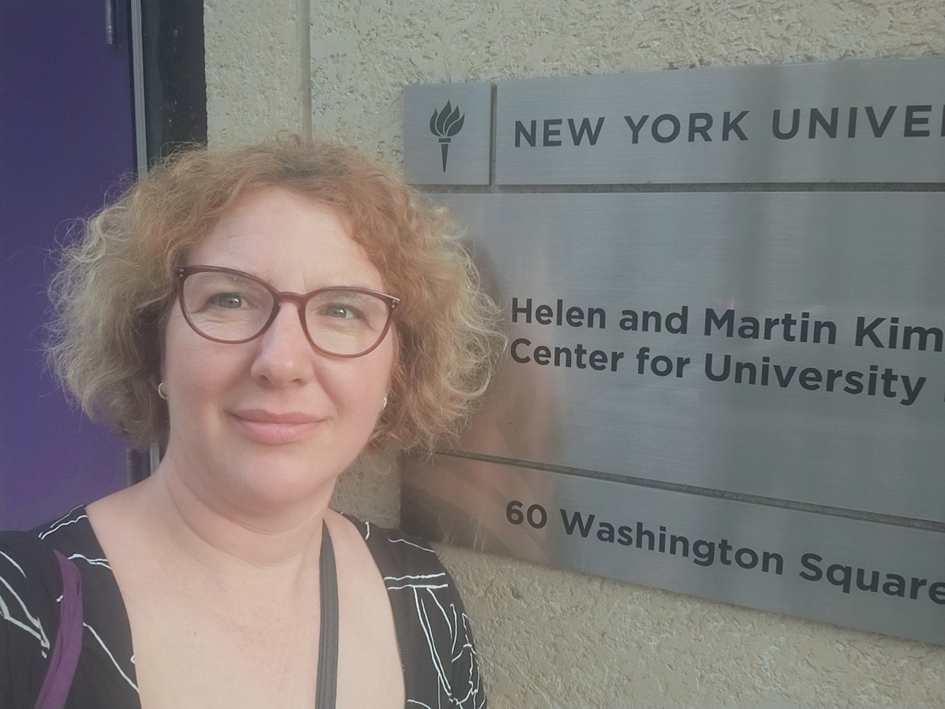
Photo 3: Dr Kramarić outside the conference venue of New York University
At the end of my presentation, I introduced the goals and mission of our PCPSce COST Action. I invited all participants to join the network and explore its outcomes and benefits. As most of the audience were from the USA and the UK, I emphasised that citizens of these countries are also eligible to join the Action. Several members of the COST Action who were present at the conference also attended my presentation. During the conference, I had the opportunity to connect with many colleagues and learn about their research. I believe these connections will endure and lead to future collaborations.
Two excursions were organized: one to various New York libraries (participants could choose from several options), and another to The Cloisters, where we viewed an intriguing exhibition. The visit to the New York Public Library was particularly useful for my research. Librarians from the Manuscripts and Early Books departments showed us manuscripts containing woodcuts, as well as an example of the Biblia Pauperum block book, which is produced in a similar manner to some copies of the Speculum humanae salvationis. These excursions also provided excellent opportunities for networking and informal discussions among participants. Overall, the conference was very well organised, featuring numerous engaging lectures spread across 23 sessions, as well as a rich side programme. I greatly valued the opportunity to participate.