




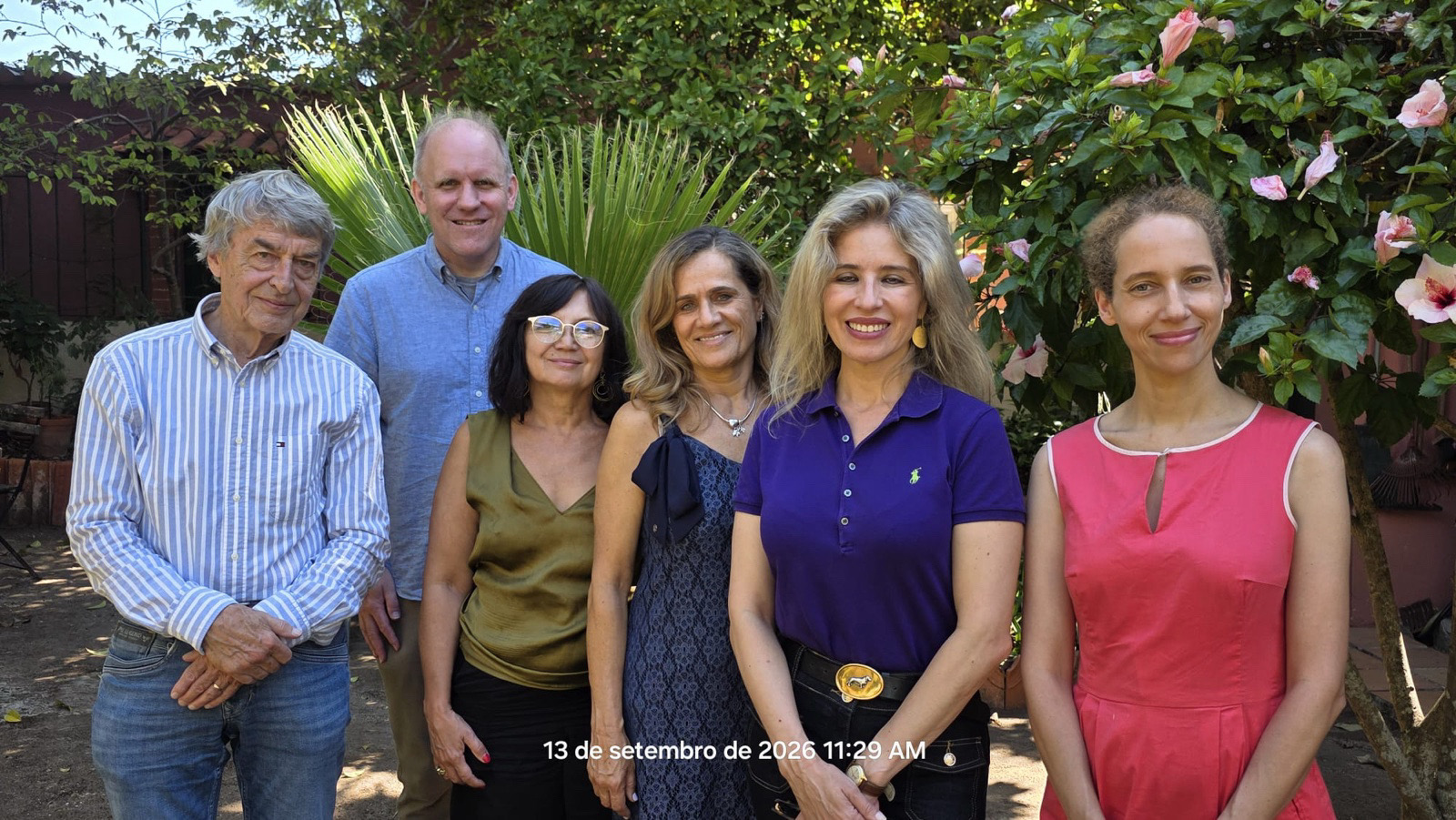
written by Maria João Albuquerque, NOVA University of Lisbon
The COST Action Print Culture and Public Sphere in Central Europe 1500–1800 Chapter Writing Workshop took place in Lisbon from focusing on developing Chapter 3.4, ‘Music’, of the PCPSCE Compendium.
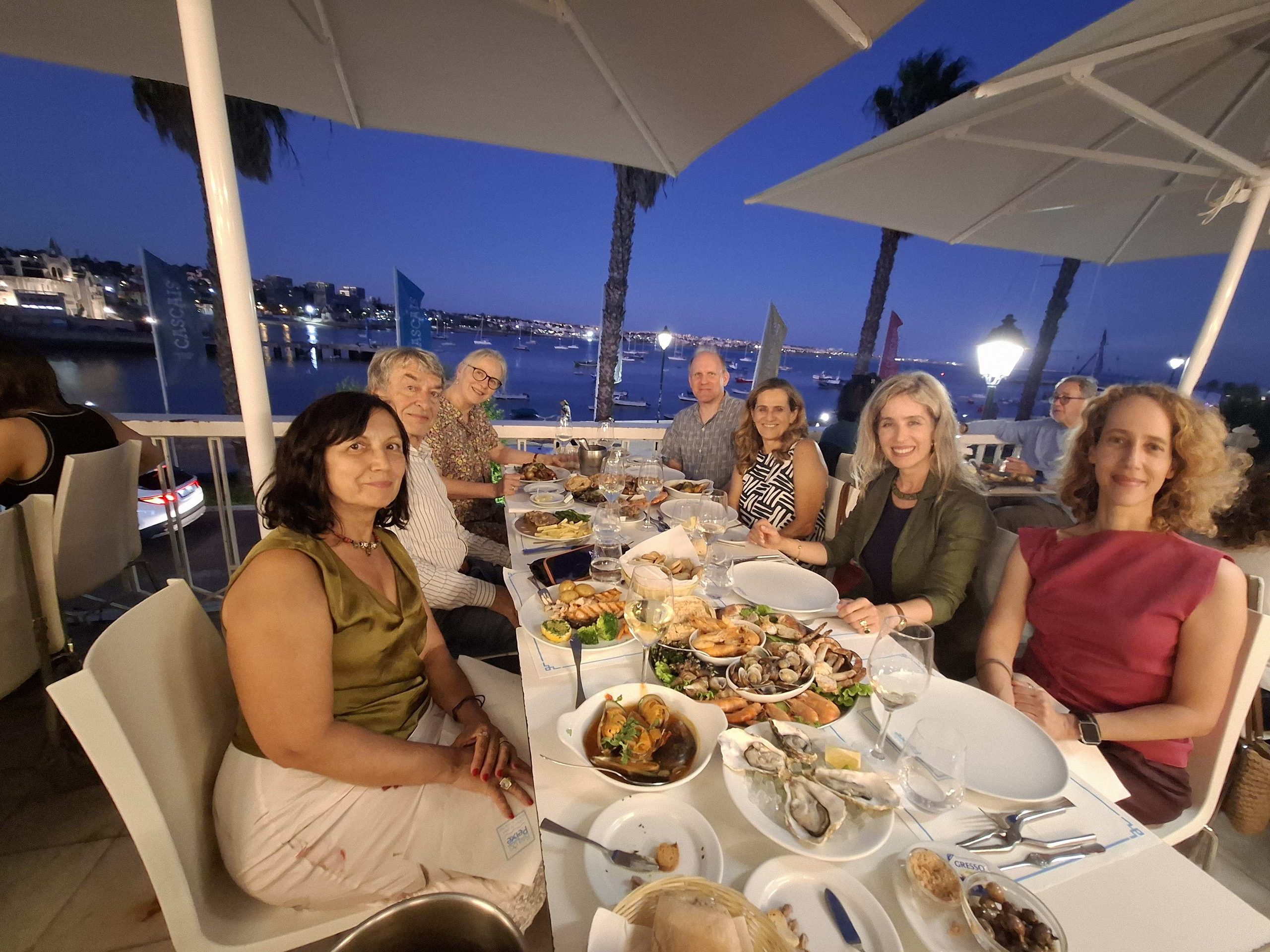
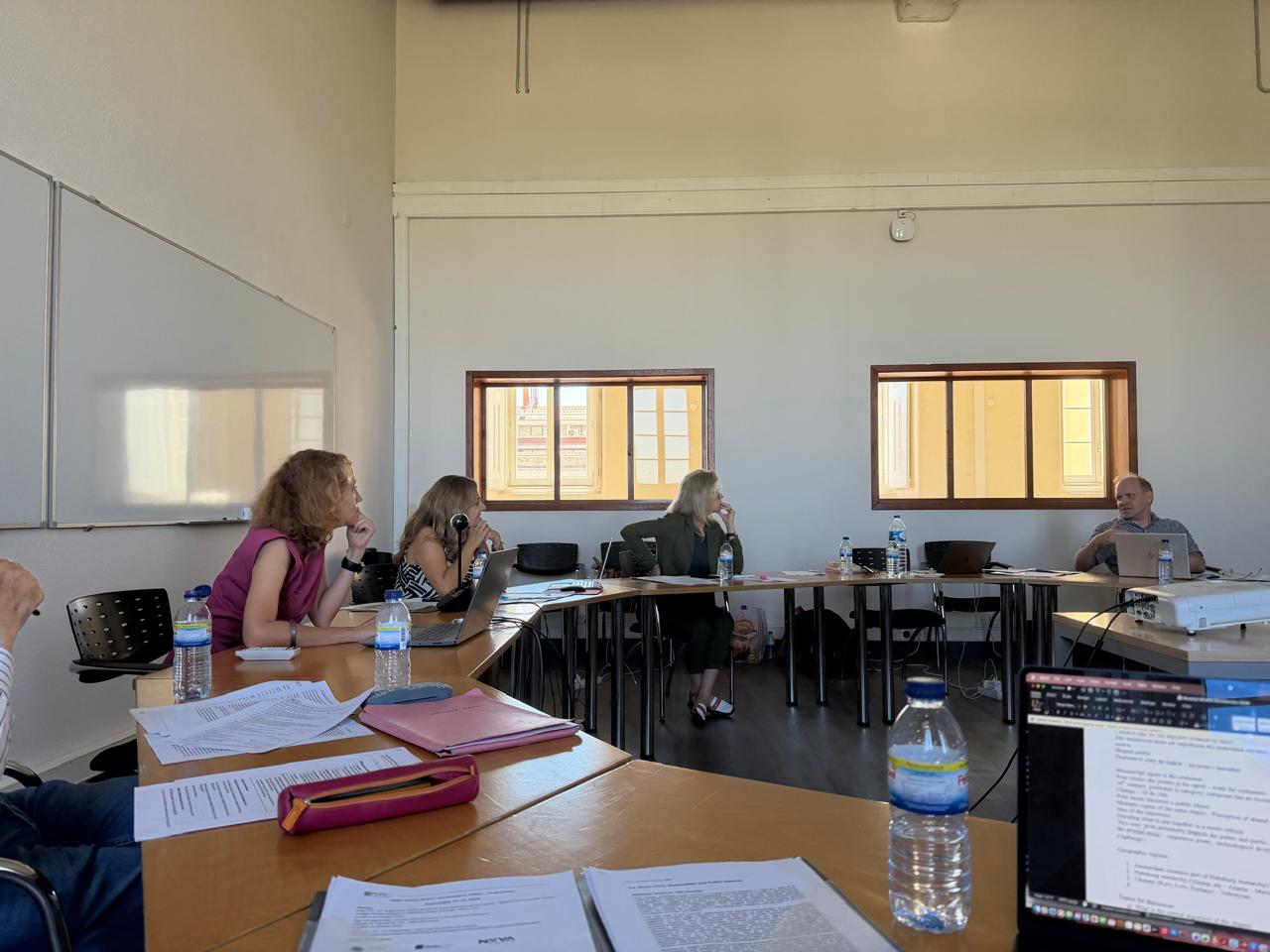
The first two days were held at Colégio Almada Negreiros, on the Campolide Campus of NOVA FCSH, followed by a final session at a historic house in Alcântara. All current contributors to the chapter attended in person: Rupert Ridgewell (RR1), Rudolf Rasch (RR2), Valentyna Bochkovska (VB), Maria João Albuquerque (MA), Inês Thomas Almeida (ITA) and Aline Gallasch-Hall de Beuvink (AB). Dominic Bridge (DB) is also expected to join the team.
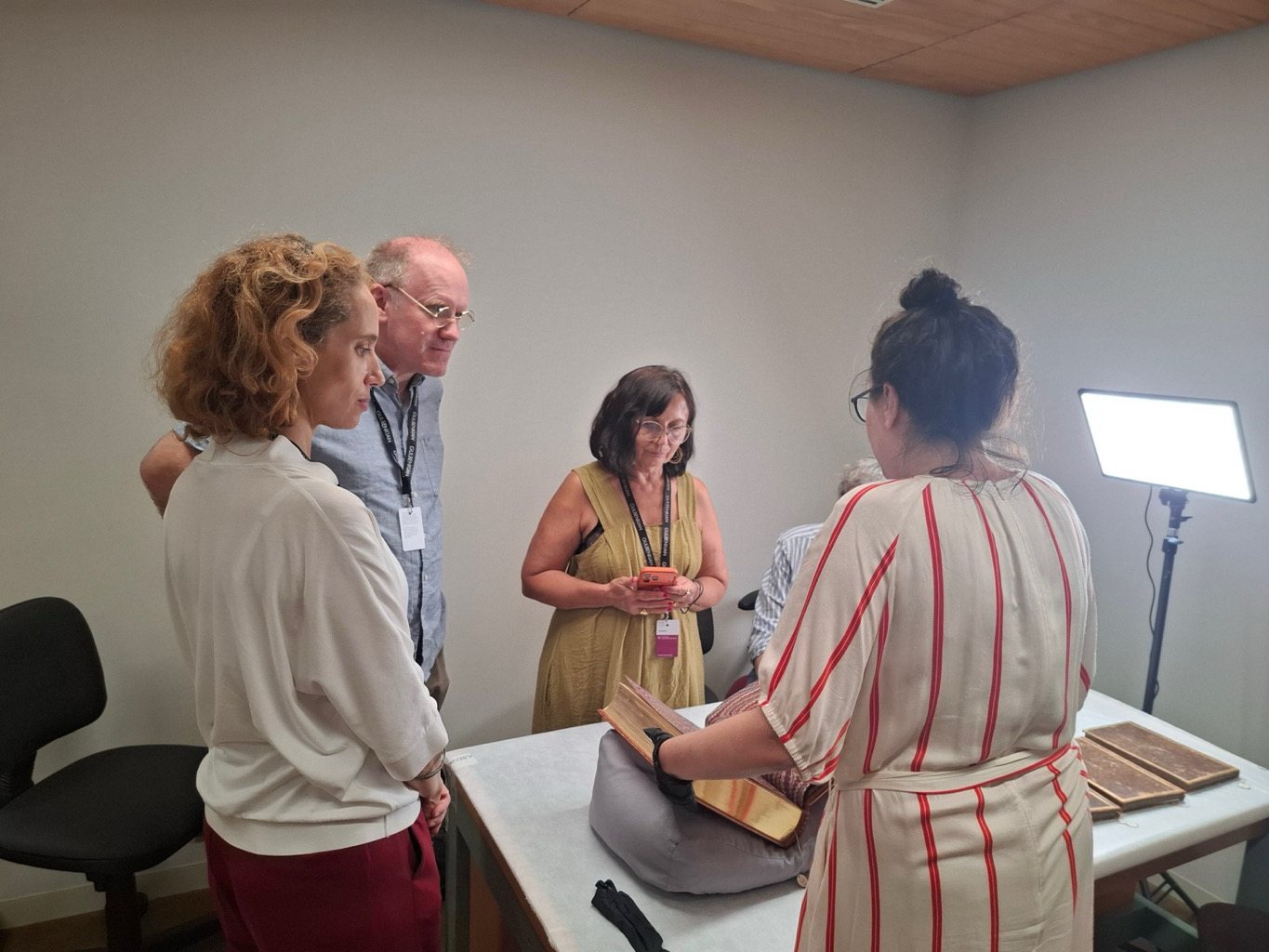
The first day was devoted to reviewing progress, discussing the collaborative outline and identifying gaps and overlaps. The editorial guidelines and a sample chapter from the Compendium provided a framework for considering the chapter’s structure and the integration of individual contributions. In the afternoon, participants visited the Calouste Gulbenkian Foundation’s closed-access collections for a guided viewing of music books and other materials related to musical activity, including eighteenth- and nineteenth-century libretti.
One of the meeting’s principal scholarly outcomes was consolidating an approach centred on the reciprocal relationship between printed music and its publics. On the one hand, music publishing contributes to the formation of publics, shapes tastes, and makes particular repertories available; on the other, those publics’ preferences, expectations, and demands influence publishing decisions. This relationship was also considered in relation to production costs and developments in printing technologies.
A comparison of manuscript and print transmission prompted discussion of different forms of agency and mediation. Whereas the production of a manuscript might respond directly to a client’s commission, a printer or publisher could anticipate demand and seek to establish a market for a publication. We therefore paid particular attention to the changing roles of printers, publishers, and composers between the sixteenth and eighteenth centuries.
The production of multiple copies of the same edition formed another central strand of the discussion. The public availability of printed music fosters a sense of shared repertoire, even within relatively small communities. The selection and compilation of pieces within a publication were thus understood as practices that both construct that repertoire and define its intended publics.
The discussion of materialities extended to the economic and practical conditions of production: the specialisation of labour, the storage of printing plates and copies, plate numbering, stock management and publishing administration. The ‘Music’ chapter team agreed that reconstructing musical publics is challenging because the available evidence, such as reprints, the circulation of song texts and criticism, is often indirect.
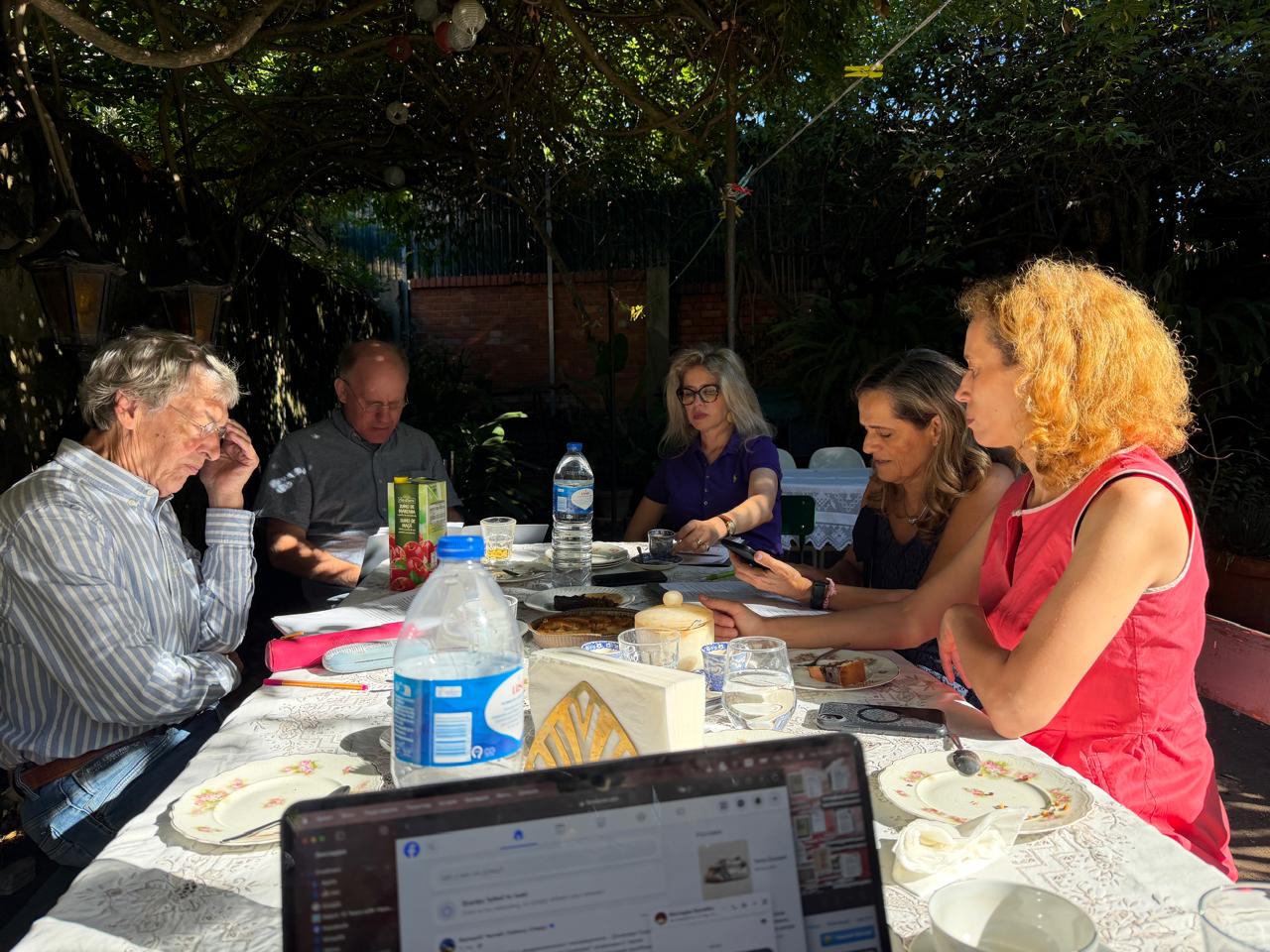
The team considered source selection alongside digital humanities resources, particularly the RISM catalogue, and the organisation of a shared bibliography in Zotero.
The comparative approach included examples from Amsterdam, Vienna, and other centres of the Habsburg Monarchy; the territories of present-day Ukraine; and Northern Europe and the Baltic region. The inclusion of at least three case studies was envisaged, while their final selection and the balance between geographical, chronological and publishing contexts remained under discussion.
Proposed examples included Peter Schoeffer’s songbook, Piae Cantiones, Uitnement Kabinet, the Lviv Irmologion, Johann Sebastian Bach’s Clavierübungen and editions of Boccherini published in Riga. We also considered street songs, libretti, and dance manuals. For the visual
material, the agreed guideline was to include one illustration per case study, supplemented by other relevant images, up to a maximum of ten illustrations for the chapter as a whole.
Regarding the chapter’s structure, we decided to incorporate the commissioning of editions by composers or printers and the production of cheaper editions into the existing sections, rather than creating a new subsection. The section on production practices and the specialisation of labour will also address the role of women printers. The existing allocation of writing responsibilities was retained, with an average subsection length of approximately 900 words.
The meeting also resulted in an agreed timetable for drafting and revision:
● 15 November 2026: submission of contributions to RR1;
● End of November: feedback from RR1;
● 11 December: submission of revised contributions and the conclusion;
● 15 December: agreement on the consolidated draft;
● 31 December, at the latest: submission of the first complete draft to the editors of the Compendium.
The workshop also included a heritage component in Mafra, with scheduled visits to the National Museum of Music and the Baroque library of Mafra Palace.
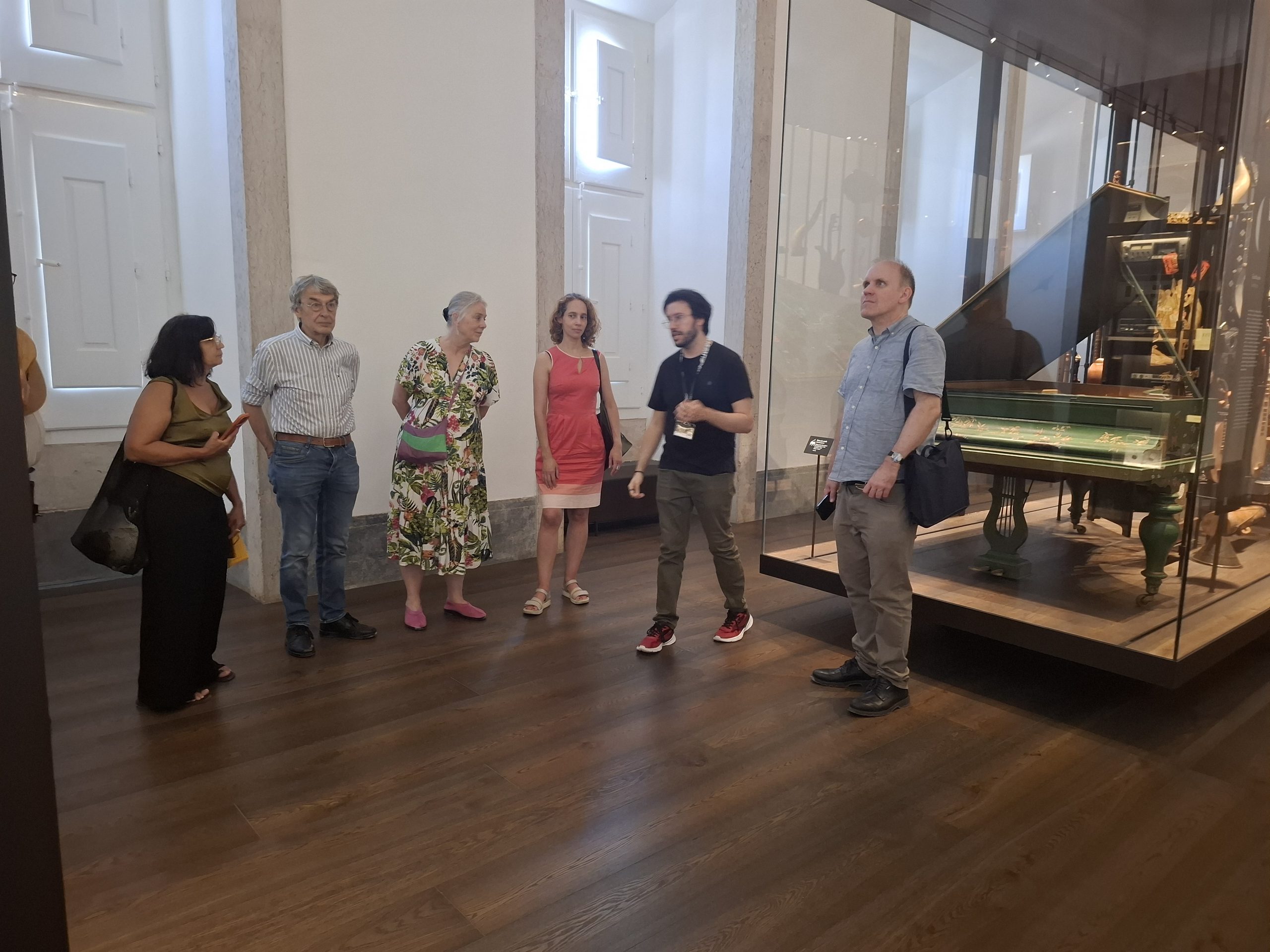
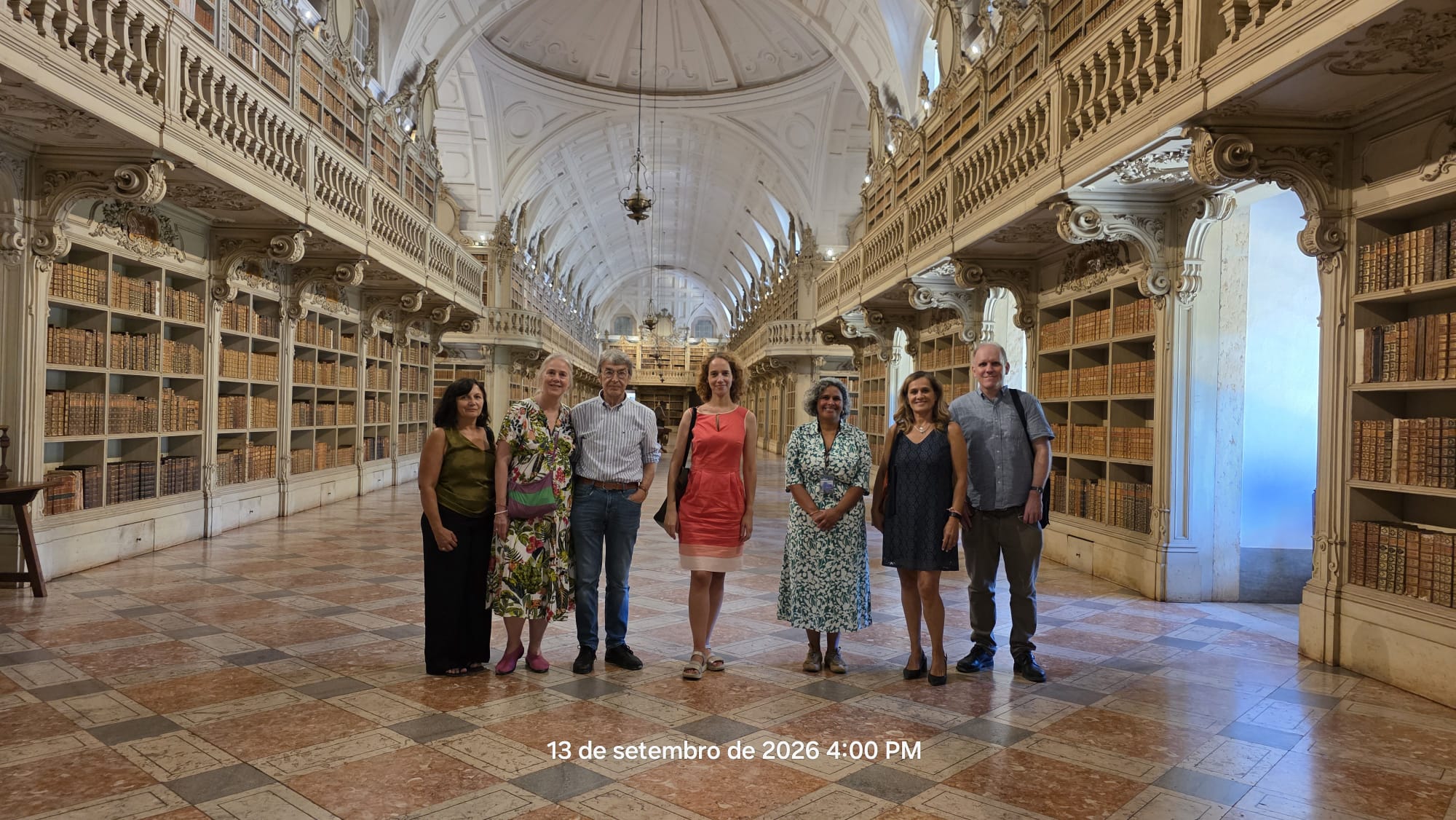
Bringing together research, collaborative writing and engagement with musical heritage, the
workshop established scholarly priorities and concrete steps toward completing the chapter ‘Music’.
See also: