




By Anisia Iacob
The chapter writing workshop for the upcoming Compendium on printing culture and the public sphere took place in Budapest between the 25th and 27th of August 2026. The aim of the meeting was to bring all the authors together for a face-to-face workshop, so that we could get to know each other while also making progress on the chapter 3.7. Print and Reprint. This was very important, as everyone present agreed, because it allowed us to put a face to the emails and names we had been exchanging until that point. The workshop was also meant to speed up the writing process by tackling the most difficult issues we had identified in our chapter structure.
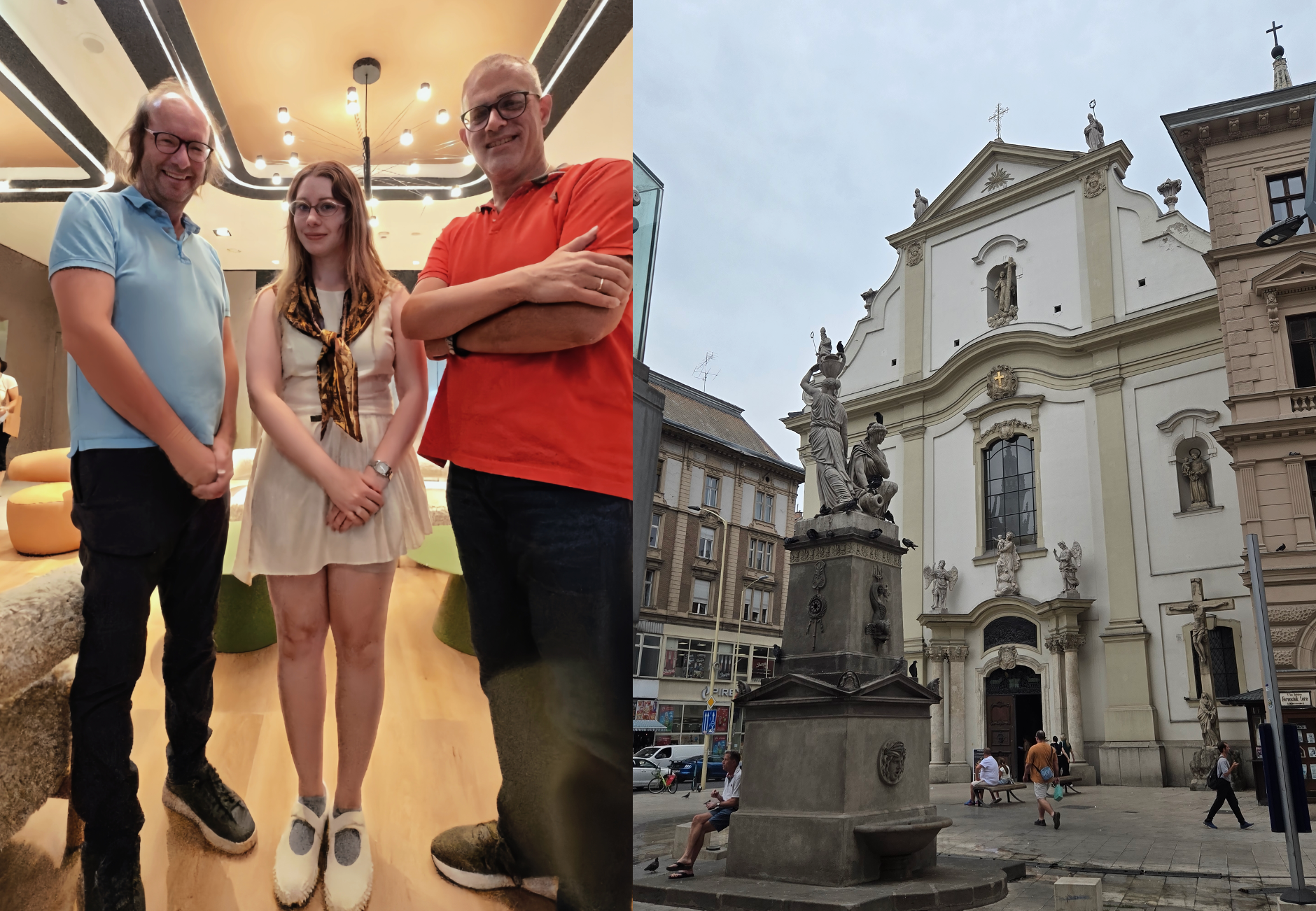
The first day was mostly devoted to getting to know the members of the team. It focused on clarifying some underlying problems of the chapter, such as how to handle the transition from the Reformation to the Orthodox case studies, and then to the Enlightenment; how best to integrate the printed icon case study with the others, within a chapter that focuses mainly on books and text; and how to broaden the search for case studies to collections across Central-Eastern Europe. A discussion was also started on how to define the public sphere on the basis of the readings, and what the public sphere means for our cases, in order to arrive at a working definition for the following days. We agreed to start from the public sphere as a forum of circulation and to build from there onwards.
The second day was the main writing day. We began by sharing a document in which we worked out a more specific definition of the public sphere for our chapter, using the starting point from the first day. The discussion began from Habermas’s theory and moved through several other authors who write about the public sphere. The team was concerned with harmonizing the definition with the case studies and with the chapter’s theoretical position as a whole with regard to existing scholarship on the matter. The strongest points we settled on were that the public sphere is a historical category and an imagined space reliant on the participation of authors, readers, publishers, and so on. From there onwards, the day consisted of outlining and drafting the introduction of the chapter in terms of research questions, aims, definitions, and structure, and of writing a few paragraphs for each case study and section individually.
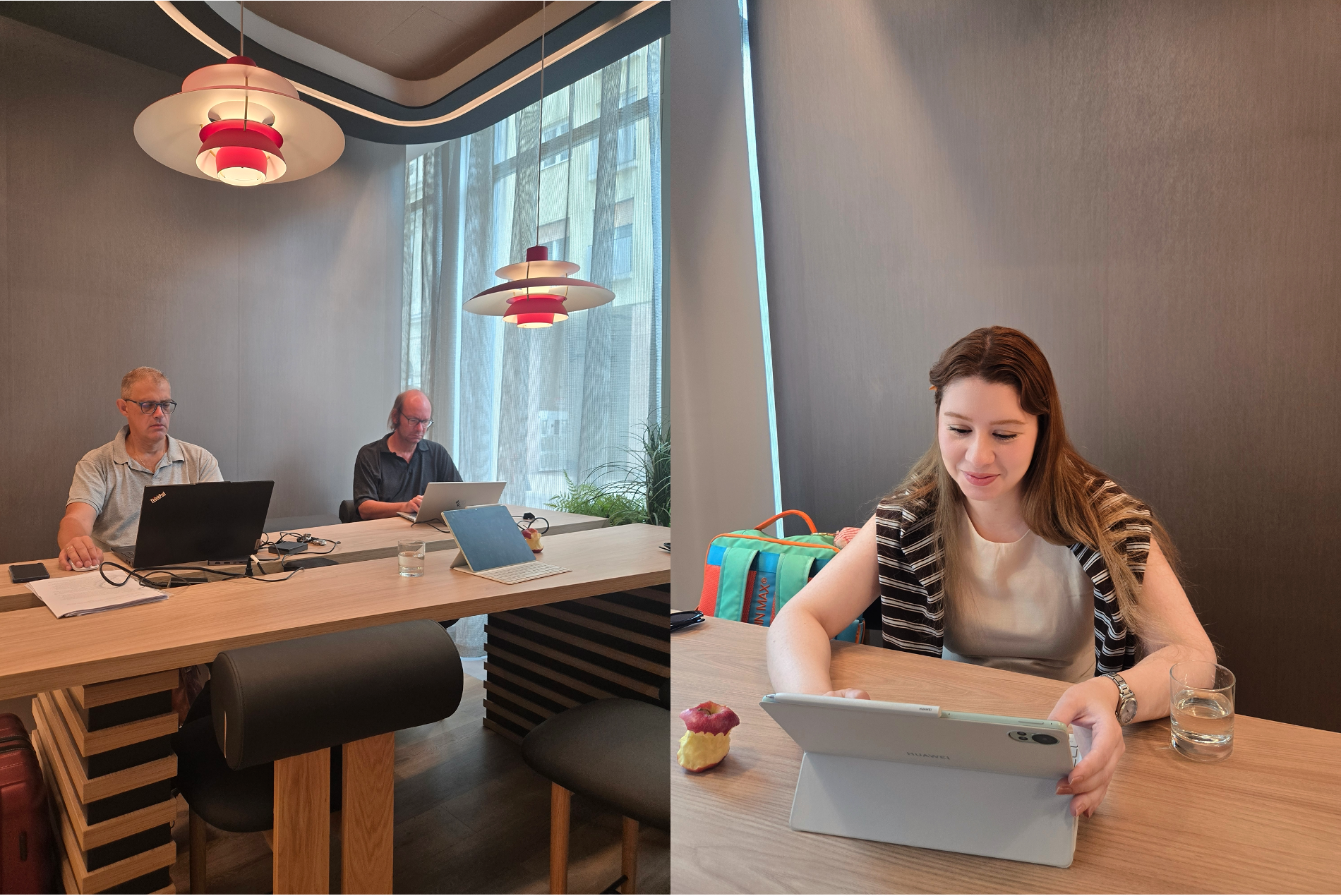
The last day of the workshop was devoted to a peer-review reading of the individual texts written the previous day and to a discussion of how they would work together in the chapter. I wrote the part on Luther reprints and the general framework for the Reformation case studies; Johannes wrote his two sections (Trattner and the Enlightenment); and Kosta pasted in his earlier text and revised it according to the new outline. The research questions were discussed in light of the feedback given on the texts, and the outline was refined from the previous day’s version. We also identified possible pitfalls for the chapter and discussed how to avoid them, principally by not concentrating on a single region, person, or event. Lastly, we set the agenda for the following months with a clear structure and goals in mind.
By the end of the three days, we had not only put faces to names but also produced a working definition of the public sphere, a refined outline, and first drafts of the introduction and of most sections. The workshop gave the chapter a firmer structure and a shared direction, and left us with a clear agenda for completing it in the months ahead.
See also: