



Dr Martina Kramarić
Senior Research Associate, Institute of Croatian Language
Every year on the 21st February, the world celebrates International Mother Language Day, a date proclaimed by UNESCO in 1999 to promote linguistic and cultural diversity. Yet in 2026, the discussion surrounding endangered languages and dialects feels more urgent than ever.
In a world racing toward digital globalization, Croatia, rich in linguistic diversity and firmly committed to preserving it, stands as an example of how a nation can actively safeguard its linguistic heritage. Language is treated not merely as a tool of communication, but as a living expression of cultural identity.
Croatia’s Legacy of Language Protection
Croatia’s deep respect for linguistic diversity is rooted in a strong institutional framework. Even before ratifying UNESCO’s Convention for the Safeguarding of the Intangible Cultural Heritage in 2005, Croatia had already taken important steps to recognize and catalogue linguistic forms as part of its intangible cultural heritage.
In 2002, the Commission for Intangible Cultural Heritage was established within the Ministry of Culture. Its mission was clear: to identify, evaluate, and record regional dialects, local dialects, and speech traditions that form the unique mosaic of the Croatian language.
The diversity of Croatian manifests in three major dialect groups—Kajkavian, Shtokavian, and Chakavian—each consisting of numerous subdialects, often distinguished by the reflex of the historical vowel jat. The narrowest level of dialectal division is the local idiom (or speech), the variety a child acquires first and naturally. Through the efforts of public authorities and ministries, Croatia has developed an institutional system for preserving local dialects, grounded in solid linguistic and ethnological-anthropological criteria.
The Register of Cultural Goods (Protected Intangible Cultural Heritage) was established to ensure systematic documentation and protection. Alongside various forms of folklore (dance, customs, rituals, games), arts, and crafts, Croatian local dialects and speech varieties can be entered into the Register, thereby receiving institutional support for their documentation, research, and preservation.
In 2007, this commitment translated into concrete action when the Bednja dialect and the speech of Hum na Sutli became the first spoken varieties inscribed in Croatia’s Register of Cultural Goods (within the intangible heritage section). In the years that followed, additional local speeches were added – from the Žminj speech in Istria to dialects in Posavina villages, as well as the symbolic “Golden Formula of the Croatian Language – ča, kaj, što,” representing the country’s three major dialect groups. To date, nearly thirty local speech varieties have been registered and protected.
This framework has fostered not only official recognition but also a sense of pride—affirming that every local voice, no matter how small, contributes to the greater symphony of Croatian culture.
The ZaGovor Digital Repository: Technology Meets Tradition
Croatia’s commitment to linguistic protection has not remained limited to legislation or symbolic recognition. It has entered the digital era through one of its most innovative initiatives—the ZaGovor project (Digital Repository of Dialects Listed in the Register of Cultural Goods of the Republic of Croatia), led by the Institute of Croatian Language since 2024.
This extensive project, financed under the National Recovery and Resilience Plan (NextGenerationEU), brings together technology and tradition. Its aim is to create a digital repository that collects, permanently stores, and makes publicly available the results of scientific research on the speeches and dialects listed in the Register. The list of the protected local dialects and speeches is presented on the interactive map.
The repository includes the intellectual and creative work of project collaborators, along with contributions from the local communities involved. It focuses on documenting, archiving, and digitally preserving endangered dialects, oral expressions, and phonetic features across the country. Each recorded dialect featured on the portal will not only transcribed but also accompanied by high-quality audio recordings, ensuring that future generations can hear and study the living sound of these linguistic identities. The project is still a work in progress.
By establishing this digital repository, Croatia ensures that local speech varieties are accessible to researchers, educators, and the broader public—transforming linguistic preservation from a passive archival practice into an active and participatory form of cultural engagement.
Why Croatia’s Model Matters Globally
In many parts of the world, the disappearance of minority languages is accelerating. The United Nations estimates that one language dies every two weeks, often taking with it centuries of oral history and unique ways of perceiving the world. Croatia’s approach offers a model that other nations might emulate – a combination of legislation, community involvement, and digital innovation.
The aims of these efforts in protecting local speech varieties are clear: recognition as cultural heritage, documentation before possible extinction, and long-term digital accessibility.
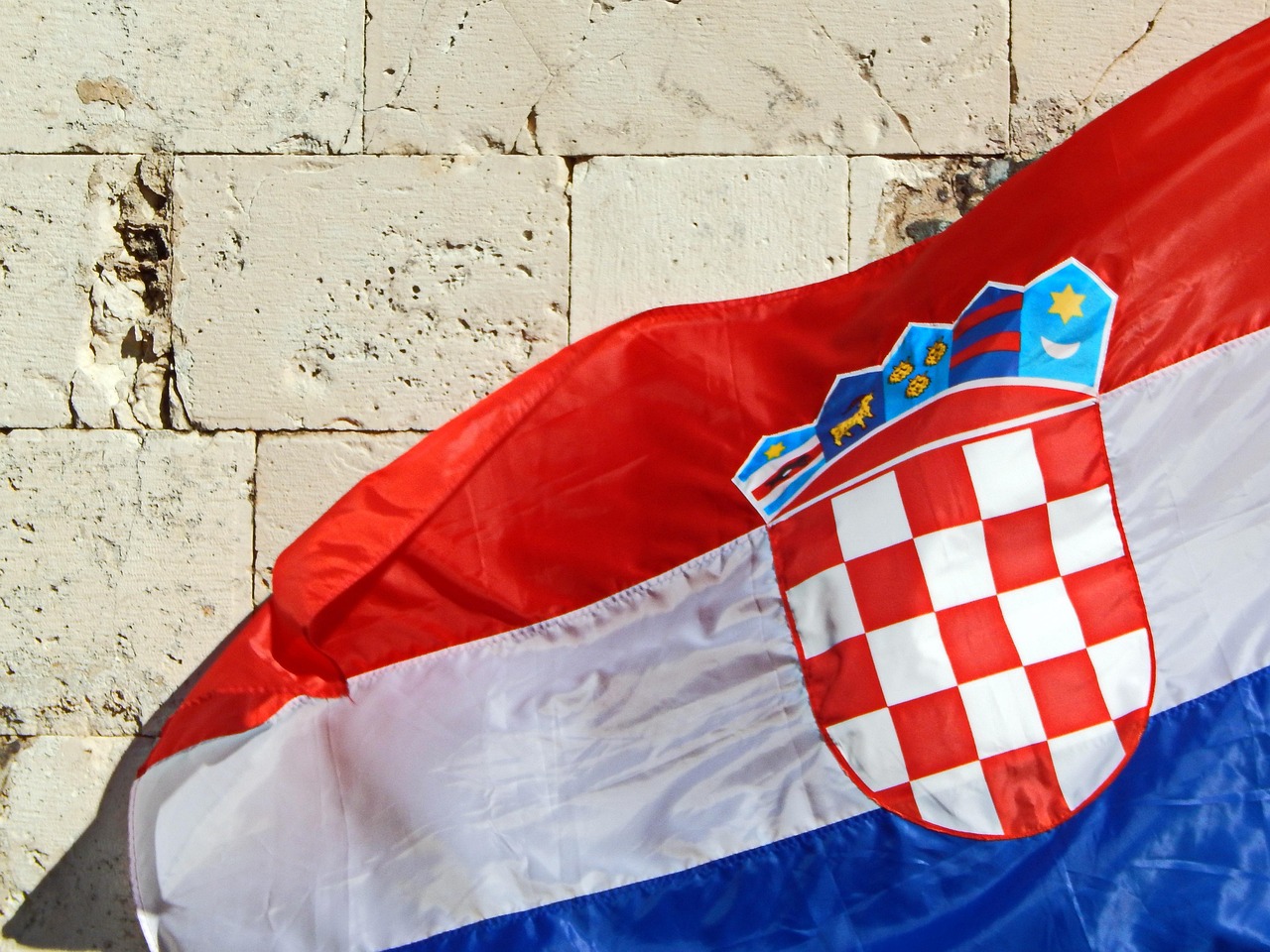
Image: Stock Photo